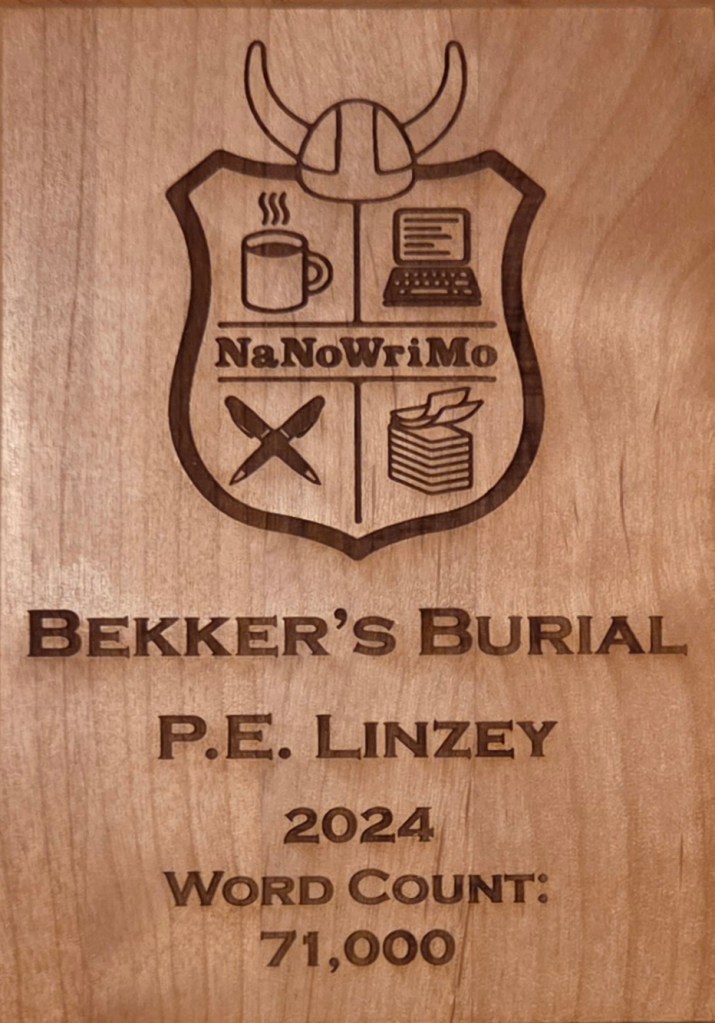
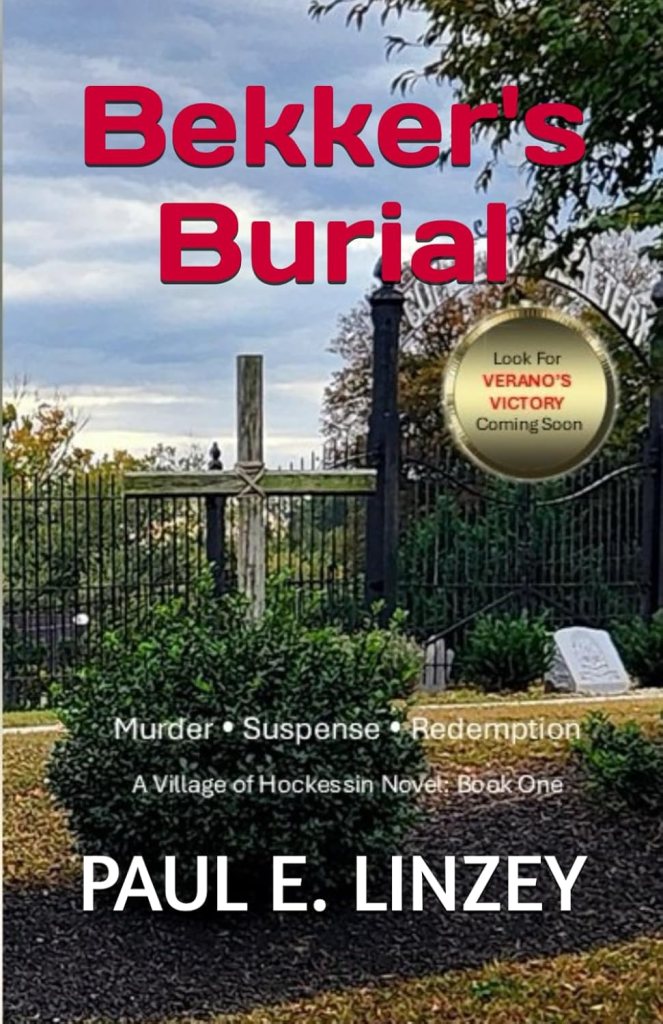
Books Available Almost Everywhere

I really appreciate the independent bookstores that have carried my books. The first to do so was Wordsmith Bookshoppe in Galesburg, Illinois. And recently, Pressed Books & Coffee in Lakeland, Florida said they’d be glad to find space on the shelf for my books.

I recently found out that all of my books are now available at the major booksellers websites. A few weeks ago I was on the Barnes & Noble website and decided to type in my name and see what might show up. I was surprised to see my books there. Then I checked Books-A-Million and a few other sites. Same thing!

Military Ministry: Chaplains in the 21st Century

I am excited to announce that our publisher just released the book Military Ministry: Chaplains in the Twenty-First Century, second edition.

When we started writing this book in 2020, we understood the importance of social media in ministry, so the first edition contained a dozen or so statements about social media, but there wasn’t a stand-alone chapter with a strategy for using social media or technology in ministry in the military. In the past five years, however, social media has explosively become much more pervasive, and in many ways has come to define the present generation. Therefore, it became obvious that we needed to provide an updated edition that would speak directly to this issue.

At a lunch meeting to discuss the preparation of a new chapter and what it should include, Dr. Keith Travis suggested that we ask Chaplain Chris Linzey if he would write the new chapter because Chris is on the cutting edge of using social media platforms for ministry in the United States Navy. Chris is an outstanding chaplain and a master at using new technologies in military ministry. We agreed that Chris would be the best person to write the new content. When we approached him with the idea, he responded right away with an affirmative reply. His original submission turned into two full chapters.

With that in mind, we are pleased to offer this second edition of Military Ministry: Chaplains in the Twenty-First Century. Chapters 26 and 27 are the brand-new chapters written by Chaplain Chris Linzey. In addition, there is a new Guest Anecdote from a chaplain who understands the use of social media in effective ministry. We think this material will be a tremendous benefit for chaplains in all of the armed forces.

It is our hope that you will be informed, encouraged, and inspired as you read this book. You are always invited to reach out to us by email, through our websites, social media, or the QR codes at the end of chapter 27. We’d love to hear your comments or reactions to the content in the book. May the Lord bless you as you serve as a chaplain in the military.

#MilitaryMinistry #MilitaryChaplainGuide #TrainingMilitaryChaplains

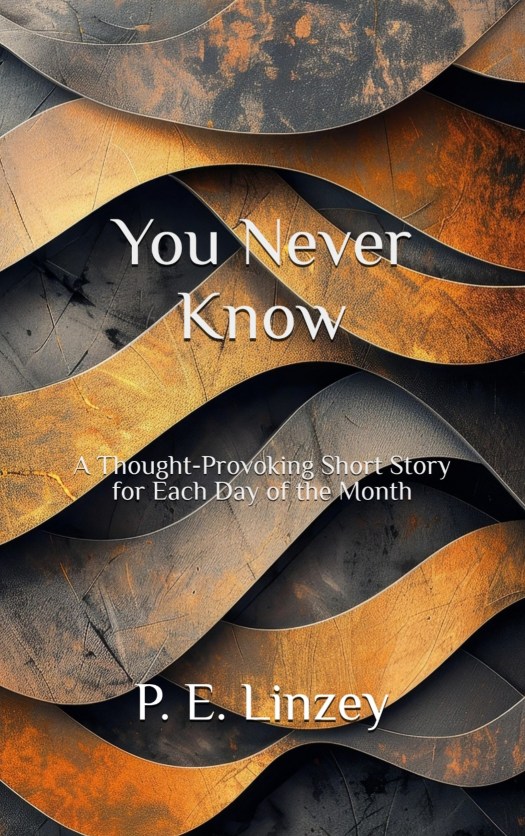
You Never Know

After the symphony came to a crescendo and the program concluded, the visiting violin soloist took a bow, received her bouquet of roses, and approached the microphone.

“Thank you, ladies and gentlemen. Thank you so much for your kindness. Thank you for being here tonight. It is an honor to accompany your symphony orchestra for this performance. And one more thing. I want to thank Ms. Alberta Carter for being here. Today is Ms. Alberta’s one hundredth birthday. Happy birthday, Alberta!”

The audience broke into another round of applause, and as they headed towards the exits, a reporter approached Ms. Carter.

“Ms. Carter, may I ask a question or two?”

“Certainly. What do you want to know?”

“I am covering this event on behalf of the local television station. How do you know Samantha, the guest violinist?”

“Do you mind if I sit down to tell you the story?”

“Not at all. In fact, I will sit down, too. If you don’t mind.”

“How do I know Samantha?”

– – – – – – – – – –

Every Sunday afternoon, seven students from downtown Alexandria’s River’s Edge School of Music arrived at 1:45 to set up for their music session at the George Washington Center for the Aged, otherwise known as “the old folks home.” Nobody knew for sure when the retirement home was built. The building itself was so run down that the musicians joked it had probably been there since George Washington himself was an old man.

They had been coming every Sunday, rain or shine, since the music school was formed in 1997. Of course, the members of the group changed every year as some graduated from the program and new students enrolled. But the woman in charge of community service at the school always made sure there were seven musicians ready to play and talk and smile every Sunday afternoon.

The combo always had at least one guitarist, pianist, and drummer. And depending on the participants in a given year, the instruments might include a flute or clarinet, a trumpet or trombone, and in good years, a violin and cello.

The residents enjoyed their Sunday afternoon concerts. They liked seeing the young people. They loved having something to alleviate the boredom. They craved the human connection to the outside world. But what meant the most to them was the affection offered by the instrumentalists.

“The Kids” would smile and talk with them. They often offered a hug or a pat on the back, and being touched by someone other than a medical professional was rare these days. Whenever the topic of conversation got around to family, the consensus among the residents was that after the first year in the home, most of their relatives and friends stopped visiting. All they had to look forward to were the weekly worship service led by the community church, the sabbath service conducted by the local synagogue, and the music program.

“Who’s that? A new violinist?” ninety-one-year-old Margaret asked eighty-nine-year-old Alberta.

“I think so,” Alberta replied. “I haven’t seen her before.”

“She looks too young to be at the music school, doesn’t she?”

“They get younger every year, Margaret.”

“You’re right about that!”

“But she looks so sad.” Alberta made this observation softly, and Margaret didn’t make out all the words.

“What did you say?”

“I said she looks so sad.”

“Oh dear. You’re right about that, too!”

“Margaret, do you have any note paper with you?”

“No, dear. But I can ask the receptionist if he does.”

Margaret excused herself from the program and shuffled out of the room and down the hall to the entrance of the facility.

“Young man? Might you be able to loan me some paper?”

“Of course, Ms. Margaret. How much would you like?”

“Oh, perhaps two sheets, an envelope, and a pen? Would that be all right?”

“Yes ma’am. Here you go.”

After the receptionist handed her the stationery from the George Washington Center for the Aged, and included the pen and envelope, Margaret made her way back to the music room and sat down next to her friend.

“What are you going to do, Alberta?”

“I want to write her a note and invite her to come visit us sometime, if she ever wants to talk. Who knows? She might want to.”

“That’s a lovely idea. You never know.”

Alberta wrote the note, included her own name and room number, and asked one of the nurses if she would hand it to the young violinist after the next song.

“Of course, Ms. Alberta. I’d be happy to do that for you. But you know our policies. I’ll have to open it and read it first.”

“I know. That’s why I didn’t seal it.”

The nurse read the note, sealed it, and after the next song, she walked over and gave it to the young girl. She looked at the envelope, then up at the nurse, who pointed over to where Alberta and Margaret were sitting. Alberta waved and smiled.

When the concert was over, the musicians packed up their instruments and took about thirty minutes to talk with the residents. The violinist approached Alberta.

“Hello. My name is Samantha.”

As Alberta started to introduce herself and her friend to Samantha, the young girl started to cry, then turned and ran down the hall, her violin in one hand, the envelope in the other.

Four days later, before Alberta started getting ready for supper, there was a knock on her door.

“Ms. Alberta?” knock, knock, knock. “Ms. Alberta?” knock, knock, knock. “You have a visitor.” The nurse shouted to make sure she was heard.

Alberta opened the door and immediately recognized Samantha.

“Come in! Come in! I am so glad to see you!”

“Hello. My name is Samantha.”

“Yes, I remember, Samantha.”

“I was so surprised when the nurse handed me your note last Sunday. You see, I am brand new to the music school, and I wasn’t expecting that.”

“That was the first time I have written a note to one of the student musicians. But I saw you and noticed three things about you. One, you are a very good violinist. Two, you are very pretty. And three, you seemed so sad. I hope you don’t mind my saying so. I don’t mean to offend you.”

“No, not at all, Ms. Alberta. I was hoping that nobody would notice how sad I was, but I do need someone to talk with, and after reading your note and seeing you wave to me, I wondered if . . .”

“What is it, Samantha?”

“I wondered if I could come and visit you once in a while.”

“I would like that.”

“I come from a small town, not far from here. A week after I was accepted into the music school, my family died in a car crash. Hit by a drunk driver. My mom and dad and little brother were on their way to my last high school concert. They never got there.”

Alberta reached out and placed a hand on Samantha’s wrist. Samantha stopped talking long enough to shed a few tears, wipe her eyes, and then continue.

“My parents almost always sat in the same place. But I just assumed they got there a little late and had to sit farther back. I didn’t find out what happened to them until after the program ended.”

“Oh, Samantha. I’m so sorry.”

“I have no other family. Nobody who wants me, anyway. My grandparents are dead. My aunt doesn’t have time for me. Or interest, for that matter. And when I read your note, well, for the past few days, I wondered if you might be willing to be my family. I’m not asking for money or anything. I just, I just need someone I can talk to once in a while.”

“Samantha, I would be delighted to be your family. It would be an honor.”

For the next four years, Samantha visited Alberta once a week, in addition to participating in the Sunday events, and they became quite close. After Samantha graduated and turned professional, Alberta followed her career, sending her a card or flowers from time to time. And whenever Samantha returned to the area, she visited Alberta at the George Washington Center for the Aged.

– – – – – – – – – –

“Wait a minute!” the reporter gasped. “Are you Alberta Carter who used to be first violinist of this very symphony?” “Yes, I am,” the centenarian replied. “More importantly, Samantha and I are family.”

This is the second story in the collection, providing the title for the book. It is available on Amazon. Most of the stories are shorter than this one.

Story Themes

Several years ago when we lived in Florida, a hurricane blew threw our town, leaving a path of destruction. While driving one day, I noticed a home that had been damaged, and the entire fence around yard had been literally blown away. I mean, it was just gone. What amazed me was although the fence was gone, the gate that had been in the middle of the fence was still there, standing alone, all by itself, still closed and latched to a post on each side, almost as if it were a monument. I pulled over to the side of the road and took a picture, but the image itself is still clear in my mind.

That was the idea I used for the first story in the collection titled You Never Know. Something as simple as a gate can become a symbol — a memorial — for what happened in a place, for the life that happened there, for the people whose lives were touched in some way. And that’s what these flash fiction stories are all about.

People, Life, Relationships, Pain

Laughter, Sorrow, Victory, Failure

Ambition, Uncertainty, Excitement, and Surprise

Dreams, Premonitions, the Unknown, and Death

How we think and feel about these concepts.

And how we experience them in our day-to-day lives.

Each story reveals a small aspect of what it means to be human. And in reading them, perhaps you’ll connect with something inside yourself, relate to other people, and find a measure of hope for your own circumstances.

Meet Some of the Characters

My first Flash Fiction collection, You Never Know, will be available on March 7 both as a print book and an ebook. Each story elicits an emotional response and leaves the reader with something to think about. I had fun writing these stories, and I think you’ll enjoy reading them. Would you like to meet some of the characters you’ll encounter? Okay, since you asked.

Janeesha is a young lady who has to make a career decision. Molly loved her husband, Freddy, through thirty-one years of failure. The clown always wanted to be an accountant. Sam, the Golden Retriever, who was the loyalest friend a man ever had. George had a nickname for everyone: those he liked as well as those he didn’t. Samantha was a violinist whose family didn’t show up for her concert.

These and many other characters fill the stories with pain, joy, sorrow, and surprise.

New Book Coming This Weekend

You Never Know is my response to Writers Digest’s annual month-long challenge to write a piece of flash fiction every day for a month, and is my initial entry into the world of writing fiction.

A collection of thirty-one flash fiction short stories, each one is a thought-provoking snapshot that captures a different aspect of what it means to be human and elicits a wide range of emotional responses. By the way, flash fiction stories are typically no longer than 1,500 words and may be as short as the now-famous six-word stories, allegedly started by Ernest Hemingway.

You Never Know will be available on Friday March 7.

Letter from a Reader

Dr. Keith Travis is my co-writer for the book titled Military Ministry: Chaplains in the Twenty-First Century. He got an email today from a graduate student who is preparing to become a chaplain, and gave me permission to share this note.

New Book on Mentoring

Have you ever wanted to make a difference in someone’s life or provide guidance for that person, but you didn’t know what to say or what to do? I think a lot of us have been in that situation before.

On the other hand, have you ever known someone that you respect or admire and you wanted to ask for input or advice, but felt awkward or unsure about how to go about it?

Journey to Mentoring is a new book that Greg White and I co-wrote a few months ago. Both of us have mentored hundreds of people, and both of us have studied and received training in what it takes to have a successful and effective mentoring experience. Greg is a trained mentor with John Maxwell’s organization, and I received training in mentoring as a military chaplain.

Mark Cole, who is the CEO of John Maxwell’s Leadership training, wrote the foreword and had this to say about the book: In Journey to Mentoring you will discover timeless principles that can serve as a foundation for building a fulfilling life. There are nuggets of truth, helpful perspectives, and expanded thinking that I believe will open your eyes to more growth opportunities. But what really brings the message to life are the personal stories and examples . . .

You may buy the book on Amazon for $12.99 by clicking on the image of the book below. Or you may get it by clicking on the Books tab above, then scroll down til you see the book.

Butterfly Believers

Perfect for group discussions or personal devotions, Butterfly Believers is now published by Wipf & Stock.

33% Off Sale Through September

From now through September, my book Butterfly Believers, costs only $10 instead of $15, both on my website and on Amazon.

Inspired by a study of Romans 12:1-2, Butterfly Believers consists of forty devotional readings, each one based on one aspect of the butterfly life cycle. In the same way a butterfly changes every single day, Butterfly Believers are also transforming continuously, moving towards spiritual depth and strength.

The author presents forty specific facts about the egg, caterpillar, chrysalis, and imago, adding one or two appropriate scripture verses. The result is an inspiring devotional about moving step by step towards maturity, and blossoming into the beautiful Imago Dei.

There is never a day when a butterfly in any stage is the same as it was the day before. This is also true of people. The author uses metamorphosis as an analogy, breaking down the steps to personal growth, making it easier to understand, and making the process interesting and fun.