Rain and snow fall on the Little Belt Mountains in the Lewis and Clark National Forest, ninety miles east of Helena, sixty miles south of Great Falls. Streams and creeks flow past the towns of Neihart and Monarch, past Camp Rotary and the Logging Creek Campground, on their way to the Missouri River. But most of the water seeps deep into the soil, draining into the water table known as the Madison Aquifer, where it becomes invisible.
The Madison is a huge reservoir of fresh water, lying underneath five U.S. states and three Canadian provinces. This hidden water is moving. It’s flowing. It’s active. It provides water for thousands of wells, springs, and streams, and becomes the sustainer of life for countless people, animals, plants, and trees. Ponderosa Pine and Douglas Fir dominate the hillsides, providing shelter for black bear, elk, and white-tailed deer.
The aquifer’s underground consists of layered limestone, which allows some of the water to trickle through until it finds its way to Giant Springs, outside the city of Great Falls. Once the water gets there, hydraulic pressure forces it out at a rate of more than 150 million gallons per day. Some studies indicate that it takes 26 years for the water to travel the 60 miles from the mountains to Giant Springs. Other data suggest that it might be closer to a 50-year journey before it emerges and forms the Roe River.
However, some of the water is trapped in the underground, where it remains far longer than two-and-a-half decades. Scientists have determined that some of the water has been in the underground for two or three thousand years . . . maybe longer. Instead of flowing out, it stays in the aquifer century after century, millennium after millennium.
The water that travels from the mountains and bursts forth at Giant Springs has a year-round, constant temperature of 54 degrees Fahrenheit. This might seem cold to people in warmer regions of the world, but considering the harsh, bitter conditions of a Montana winter, 54 degrees is quite warm. When outside temperatures get down to 50, 60, and 70 below zero, the water from the springs is more than 100 degrees warmer than the air temperature. On the other hand, during the summer months, when the outside temperature reaches to more than 100 degrees Fahrenheit, the cool waters from the springs are rather refreshing.
Most of the water stays underground and doesn’t make the journey to Giant Springs. Instead, it combines with streams from the Black Hills, the Big Horn Mountains, and the wider drainage area. Eventually, most of it surfaces in Canada. But some of the water never escapes. It’s still trapped, still hidden, still invisible.
This underground water system is an allegory about what happens in peoples lives. There’s a lot going on inside of us, perhaps a whole lot more than most of us are willing to admit to ourselves or allow others to know about. Because of past, painful experiences, we force our thoughts and emotions underground, and they become an internal, invisible force. It may be hidden, but it’s moving. It’s active. In fact, sometimes what’s going on inside takes on a life of its own, until one day, it gushes out in destructive words or actions, and everybody says things like, “Wow. I never saw that coming.” Others are trapped in pain, decade after decade, while life, happiness, and opportunities pass them by. Either by choice or by circumstance, their issues never surface and are never resolved.
The Holy Spirit is ready to help with this inner world of invisible forces and hidden issues. He wants to liberate you. You don’t have to remain trapped, hidden, or invisible any longer. Its time for a new beginning.



 Last night, my wife and I watched another episode of the BBC television show, “Call the Midwife.” In this segment, the doctor had to be away from the office because of an emergency, and his wife, who functioned as the receptionist, was running the clinic. When the patients realized the doctor was gone, they refused to let her help them because they were totally unaware that she had worked as a nurse for ten years. In their eyes, she was “only a receptionist” and they bolted for the door until a doctor or nurse was there. The next morning, the “receptionist” was dressed in a nurse uniform, and when she opened the door to let the clients in, they saw her as a professional medical caregiver, and accepted her expertise. Even though she was the same person, respect came with the right uniform.


 When we drove up to the historic motel on Route 66, an old Chevy parked out front caught our eye. It had to be more than sixty-five years old, and though the paint was faded, worn-off, and rust-eaten the car still exuded a certain charm and beauty. A couple of the tires were flat and one window was permanently open. Yet, it had a stately dignity that spoke of a time when it ruled the road.
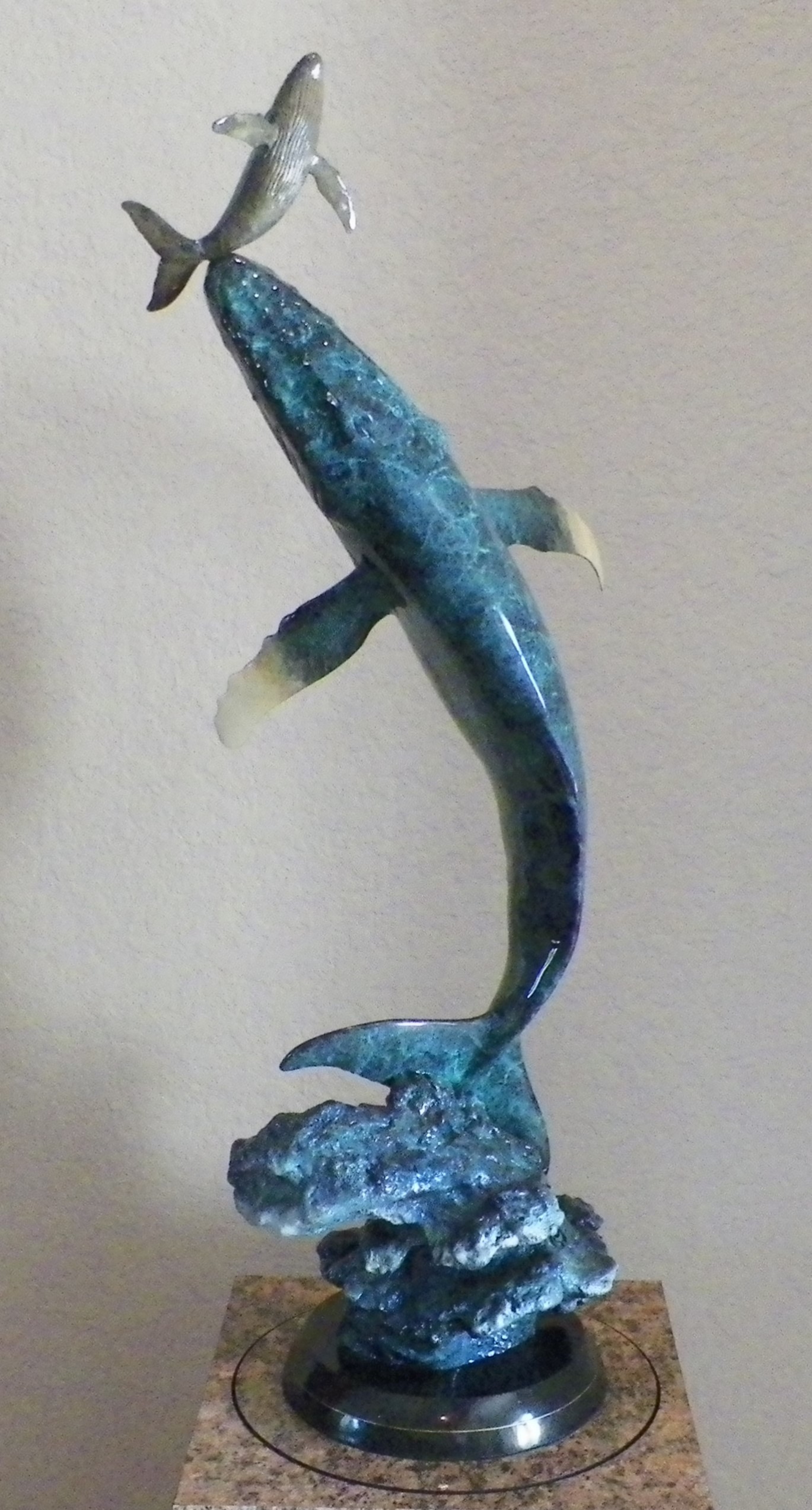 While visiting friends and family in San Diego, my wife and I decided to spend an afternoon at Seaport Village, one of our favorite places. After lunch, we stepped into the Wyland Gallery and saw the sculpture of a humpback whale nudging her newborn to the surface for its first breath, and we couldn’t help but stop, stand, and stare. It’s a breathtaking work of art, designed to show the beauty, compassion, and wisdom of a mother as she instinctively helps her baby take that first breath of life-giving fresh air.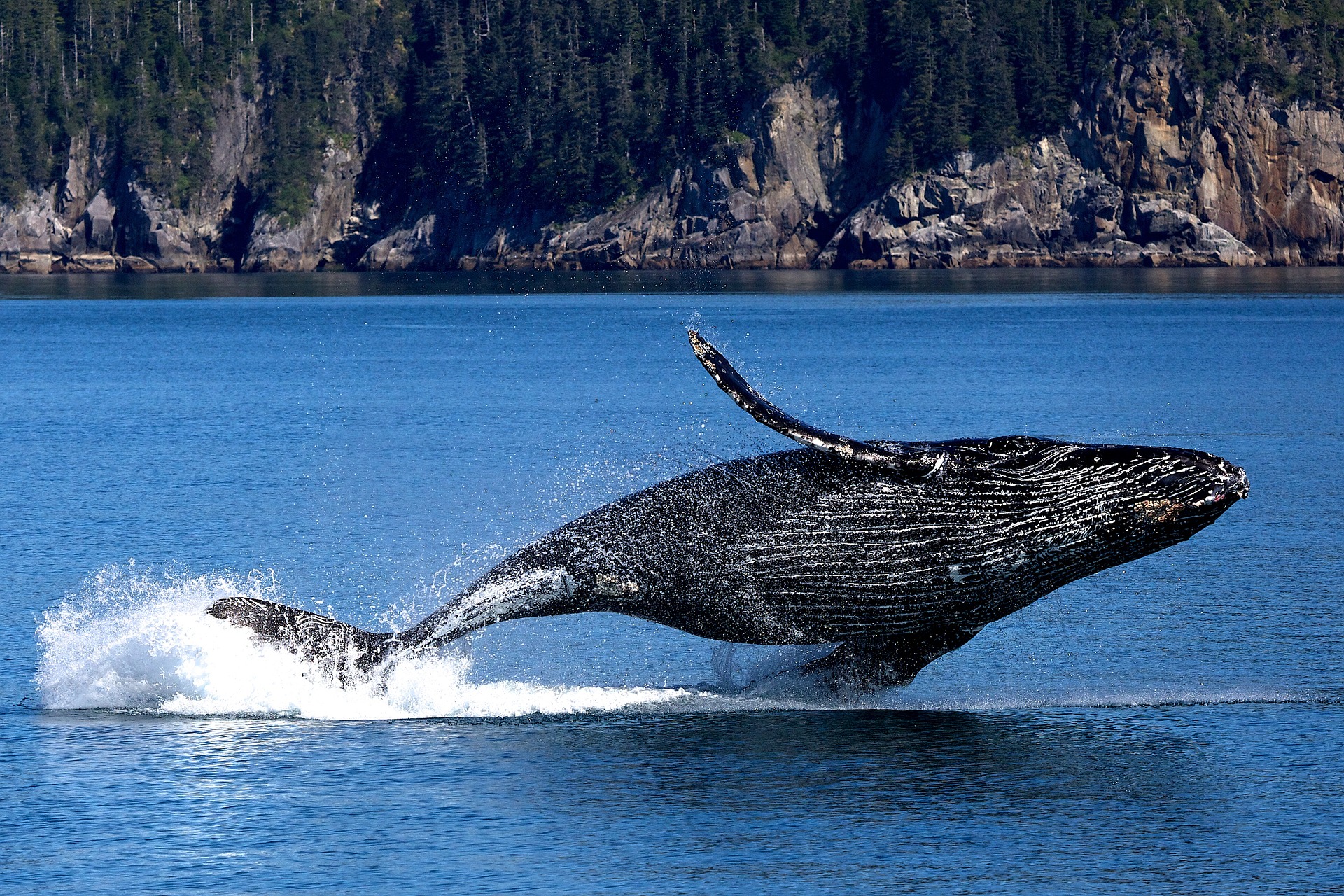


 Paul Linzey